
Baby loss charity expands its services to Torbay and South Devon
The loss of a baby is devastating and we are proud of the compassionate care our bereavement midwives provide to families when they need us the most.
We have been working with baby loss charity Luna’s Fund for several years to support people in a rainbow pregnancy and we are pleased to announce an expansion of our partnership which will benefit more families in our community.
Luna’s Fund was established in memory of Luna Valentina Conroy who was born sleeping on 29 November 2017. The charity has supported grieving families since 2018, providing relaxing getaways to give them the time and space they need to process their loss. It also pays for three free private antenatal scans for people who are pregnant after loss to calm any fears and offer them the reassurance they need.
Bereavement Midwife, Fay Martin, said: “The loss of a baby before, during or shortly after birth is devastating and can impact family members in different ways and at different times.
“We work hard to make sure people are supported and receive compassionate care at this tragic time. We have been working with Luna’s Fund for several years to provide people affected by baby loss the opportunity to receive support in a rainbow pregnancy. Our new partnership will give families affected by stillbirth and neonatal death in Torbay and South Devon an opportunity to grieve together in a safe and peaceful place, away from their home.
“We are incredibly grateful to Luna’s Fund for providing this much-needed respite at a time when people need it the most.”
Aimee Green, Luna Fund’s founder and Chief Executive hopes the additional support will give local families an opportunity to support each other away from home. She says: “We are absolutely delighted to be working with the midwifery team at Torbay Hospital to bring our services to the area. It has been an ambition of ours to expand into Torbay for many years and we plan to further expand our support to Exeter later this year.
“Our mission is to ensure that every family which experiences baby loss, walks alongside us during their journey, leaning on our lived experience and guidance as their feelings and emotions evolve. My small team and I have lived experience of baby loss and pregnancy after loss. It makes us unique and incredibly suited to walk alongside families during their baby loss journey. A journey no parent should ever have to walk.”
Our midwives will refer families who would like additional support to Luna’s Fund, with their permission, or people can self-refer via its website.
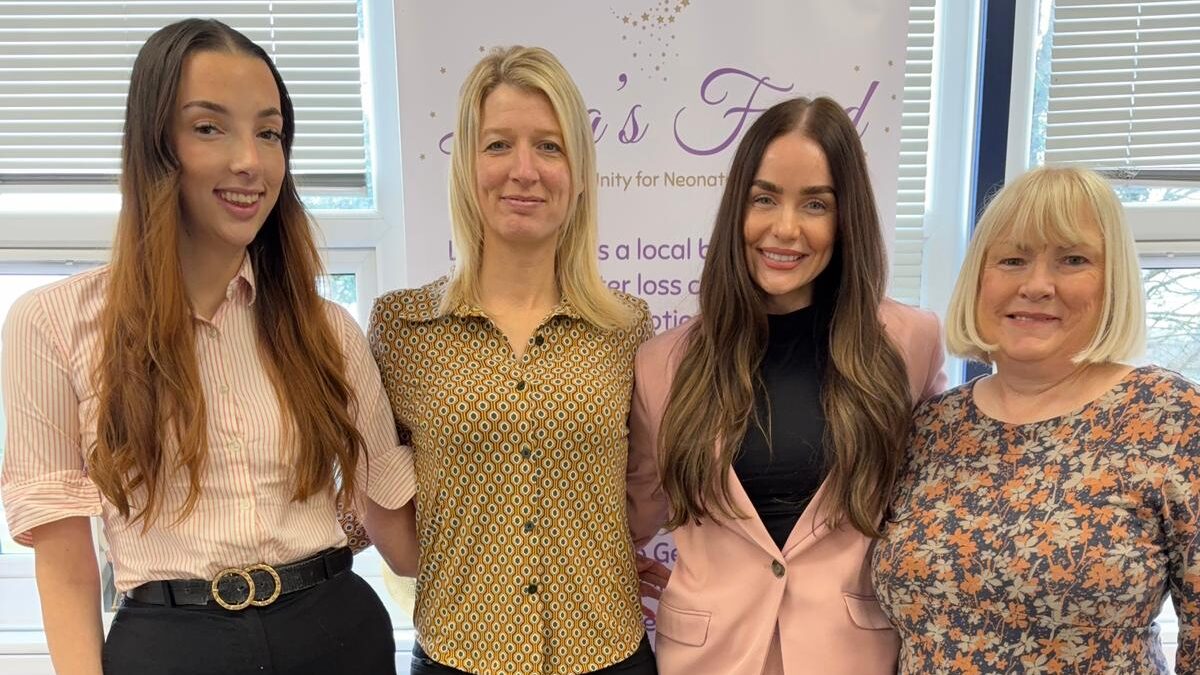
We would like to thank Luna’s Fund for its generosity and kindness.
You can read more at: Baby loss charity expands its services to Torbay and South Devon.
AI supported MRI trial launched to improve care for people with Multiple Sclerosis
We’re proud of our reputation as a national leader in clinical research and our neurology and research colleagues are set to launch a pioneering clinical trial to explore how artificial intelligence (AI) can support MRI reporting for people with Multiple Sclerosis (MS).
The ASSIST‑MS study, which is being led by Dr Agne Straukiene, our Consultant Neurologist and MS Service Lead, will see us become one of the first research trial centres in the country to integrate AI tools directly into routine MS imaging pathways.
The trial will compare standard radiologist reporting with reporting supported by AI analysis to understand if AI can improve reporting consistency, help detect subtle changes earlier and strengthen clinical decision‑making, while keeping clinicians firmly at the centre of patient care.
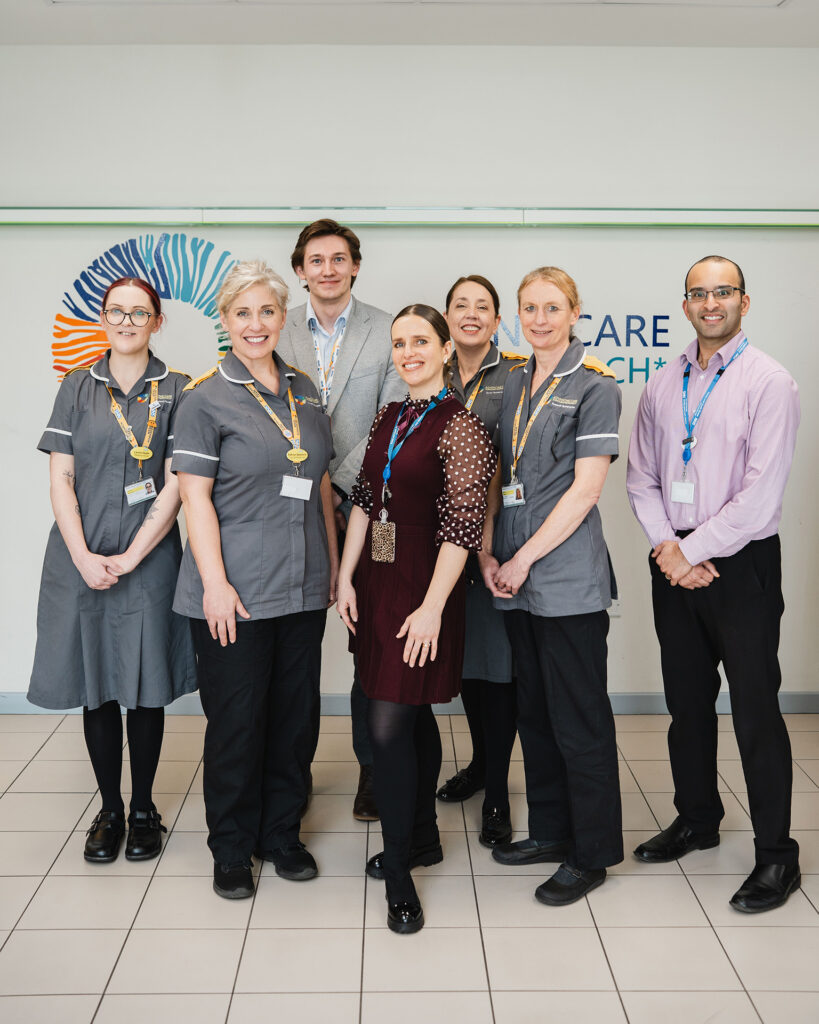
Dr Agne Straukiene, Consultant Neurologist and our MS Service Lead, said: “We are proud to be a forward-thinking organisation which is actively looking at the ways technology can enhance how we provide modern-day healthcare. The ASSIST‑MS clinical trial has the potential to help us to identify early and more accurate brain anatomy changes for people with MS and improve long-term conditions.
“Introducing AI-supported MRI analysis is about enhancing, not replacing, clinical expertise and by giving our radiologists and neurologists access to AI tools, we hope to detect subtle changes earlier, improve consistency, and ultimately improve patient care. This is exciting news for our MS patients, who will have the opportunity to be at the forefront of trialling innovative technology closer to their home, while helping us to realise the ambitions in the NHS 10 Year Plan to make better use of technology, improved diagnostic accuracy and earlier intervention.”