Healthy Futures
October 2026
We’re getting ready for winter. Are you? See inside for our advice to stay healthy this winter.
Welcome, from Joe

As autumn arrives and we prepare for the months ahead, this edition of Healthy Futures offers a snapshot of some of the people, services and developments helping shape healthcare across Torbay and South Devon.
You’ll read about colleagues whose leadership, innovation and dedication have been recognised nationally, the inspiring story of a local patient helping shape the future of blood cancer treatment, and the continued efforts of teams across our organisation to improve care and support people to live healthier lives.
You will also find information about two important developments at Torbay Hospital. Over recent weeks there has been considerable public interest in the future of the Tower Block and the steps we are taking to strengthen fire safety arrangements. Being open and honest with our communities is important to me, which is why this edition includes an update on the work taking place and what it means for local services. At the same time, we’re continuing to invest in new ways of caring for people, including the expansion of our Same Day Emergency Care service, helping more patients receive treatment without needing an overnight stay in hospital.
As we head towards winter, our teams are working hard alongside colleagues across health and social care to prepare for what is always one of the busiest periods of the year. You’ll find some simple advice in this edition on how you can protect your own health, support family and friends, and make sure you know where to go if you need help.
You’ll also read about some of the many ways we’re working with children, young people and families, from supporting parents through baby loss, to helping young people shape their own care and improving the experience of children receiving treatment in our hospitals.
Thank you for your continued support of local health and care services. Whether you’re a patient, volunteer, member, supporter or colleague, you play an important part in helping our NHS continue to serve local communities.
Best wishes,
Joe Teape
Chief Executive
Celebrating our SAS doctors’ leadership and innovation
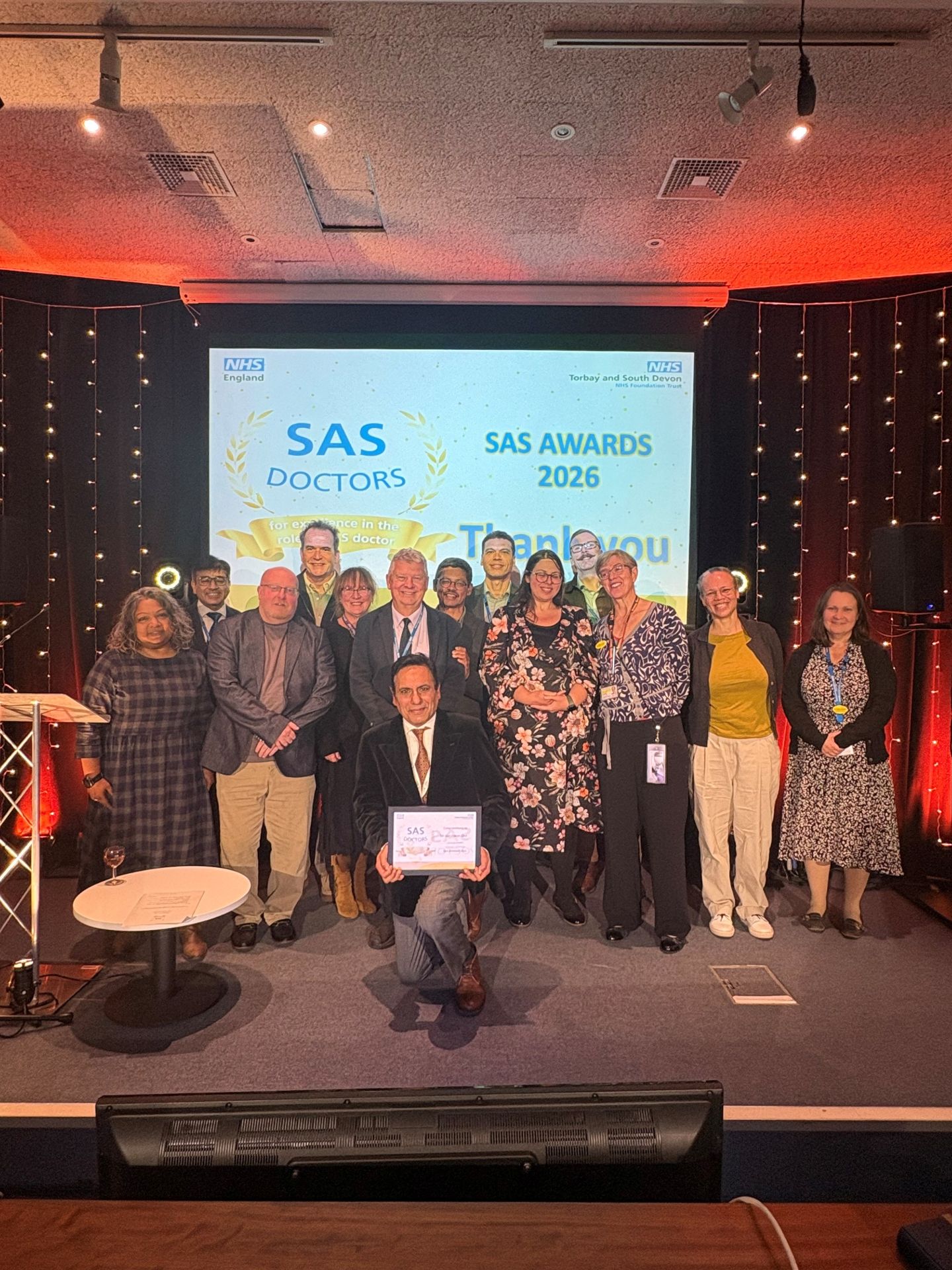
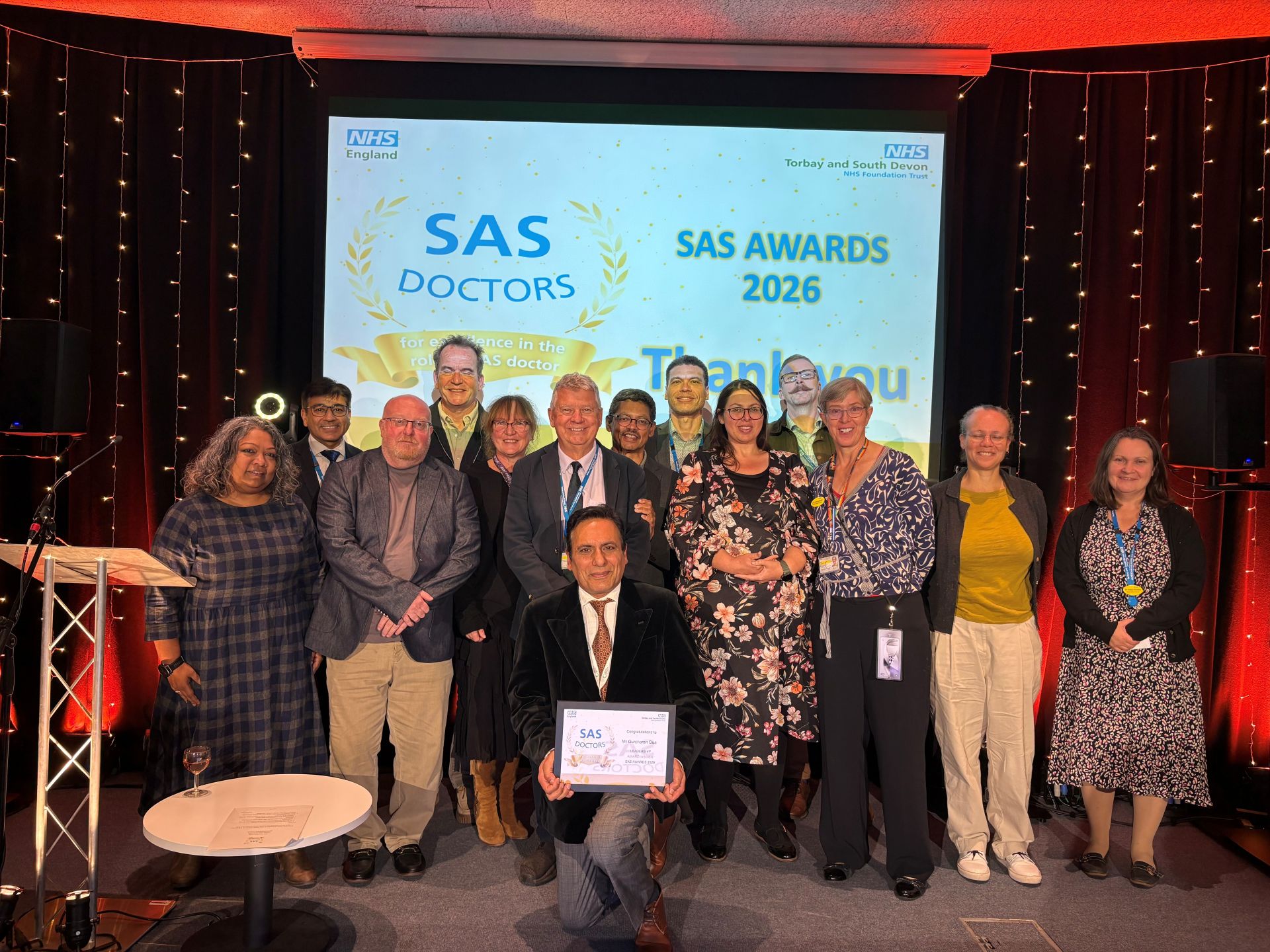
Congratulations to two of our doctors who are based at Torbay Hospital whose contributions to colleagues and patient care was honoured at this year’s Specialty and Specialist (SAS) Doctors Awards.
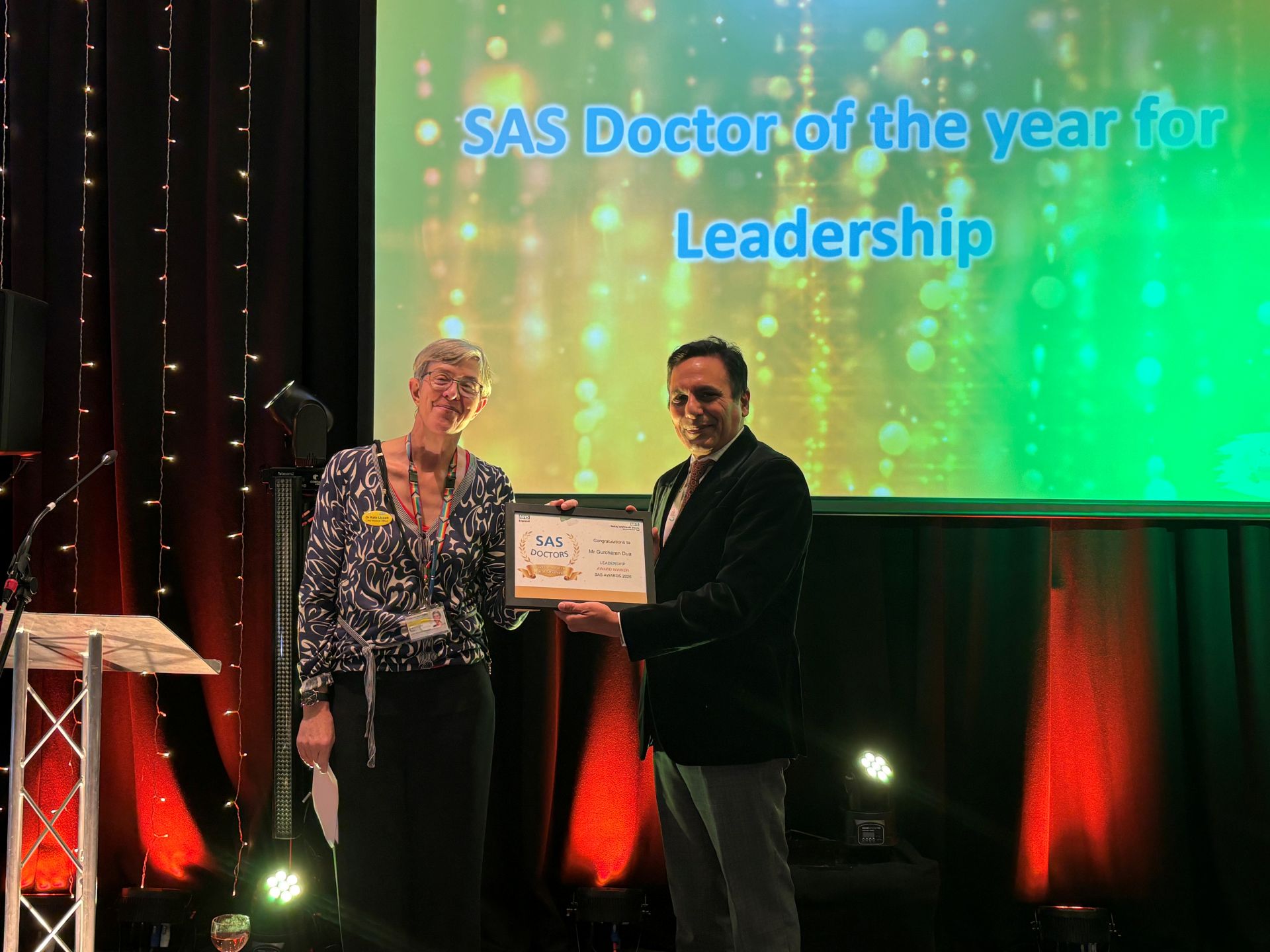
Dr Gurcharan Dua received the Leadership Award, while Dr Ben Bartlett was presented with the Innovation Award at a ceremony which celebrates our SAS doctors who make an outstanding contribution beyond their day-to-day clinical roles.
Dr Dua was recognised for the leadership role he has played in supporting doctors across the organisation over a number of years.
Alongside his clinical work, he serves as SAS Chair, SAS Tutor, Foundation Year 2 Programme Lead and a member of the Local Negotiating Committee. He is also an appraiser, supporting the development of colleagues across our organisation.
His nomination highlighted the significant contribution he has made in championing SAS doctors while continuing to balance a busy clinical workload.
Dr Bartlett received the Innovation Award for helping clinical teams make the most of Epic, our electronic patient record system, which was introduced earlier this year.
Recognising opportunities to improve how information is recorded, he developed new clinical templates for acute medicine, including a clerking proforma designed to support more consistent documentation and the recording of key clinical information.
The work has helped colleagues make greater use of Epic’s capabilities, supporting efficient documentation and high standards of patient care.
Dr Kate Lissett, our Chief Medical Officer, said: “These awards recognise two different but equally important contributions.
“Guru has shown outstanding leadership and commitment to supporting colleagues, while Ben has demonstrated how innovation can help us get the very best from new technology.
“Both have made a significant contribution to patient care and to the teams they work alongside and are thoroughly deserving recipients of these awards.”
The SAS Doctors Awards were established to recognise the contribution of specialty and specialist doctors, who play an important role in patient care, teaching, leadership and service improvement across the NHS.
Our anaesthetic team is among the best in the country
Our anaesthetic team is celebrating national recognition after becoming one of only eight NHS anaesthetic departments in the country to achieve the prestigious Anaesthesia Clinical Services Accreditation (ACSA) for the third time.
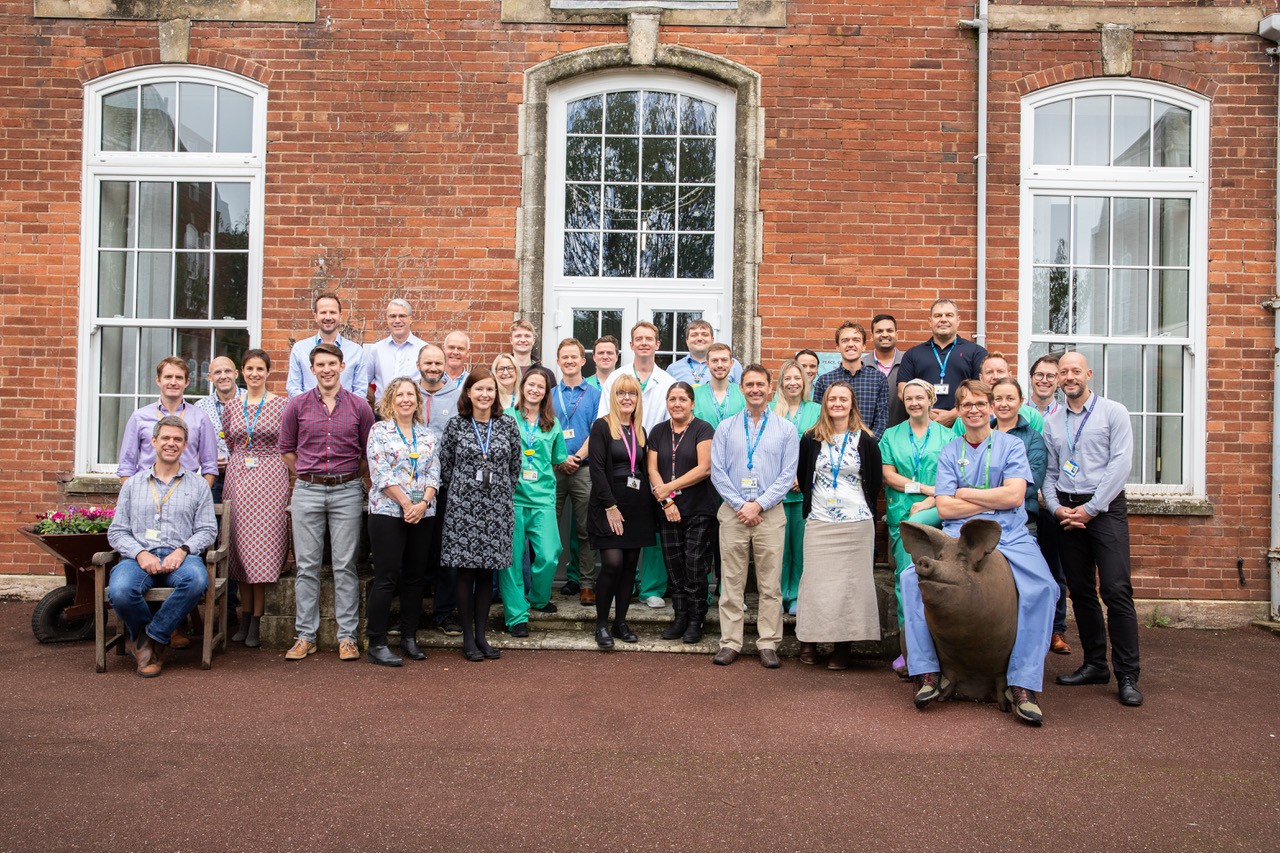
The achievement recognises the dedication, teamwork and compassion our colleagues bring to patient care every day and reflects our continued commitment to providing safe, high-quality care for local people.
Run by the Royal College of Anaesthetists, ACSA is a nationally recognised programme that assesses services against rigorous standards for patient safety, patient experience, leadership and quality improvement.
Reviewers praised the department’s strong culture of teamwork, communication and patient-centred care, highlighting the dedication of staff to achieving the very best outcomes for patients.
The team was recognised for creating an environment where staff feel listened to, valued and supported, helping them provide outstanding care every day.
Torbay Hospital’s Day Surgery Unit was also praised for its reputation as a centre of excellence, and the department’s strong partnerships with local healthcare providers and specialist hospitals, making sure patients benefit from joined-up care when they need it most.
Don’t stop me now: John celebrates his 100th Parkrun after blood cancer diagnosis
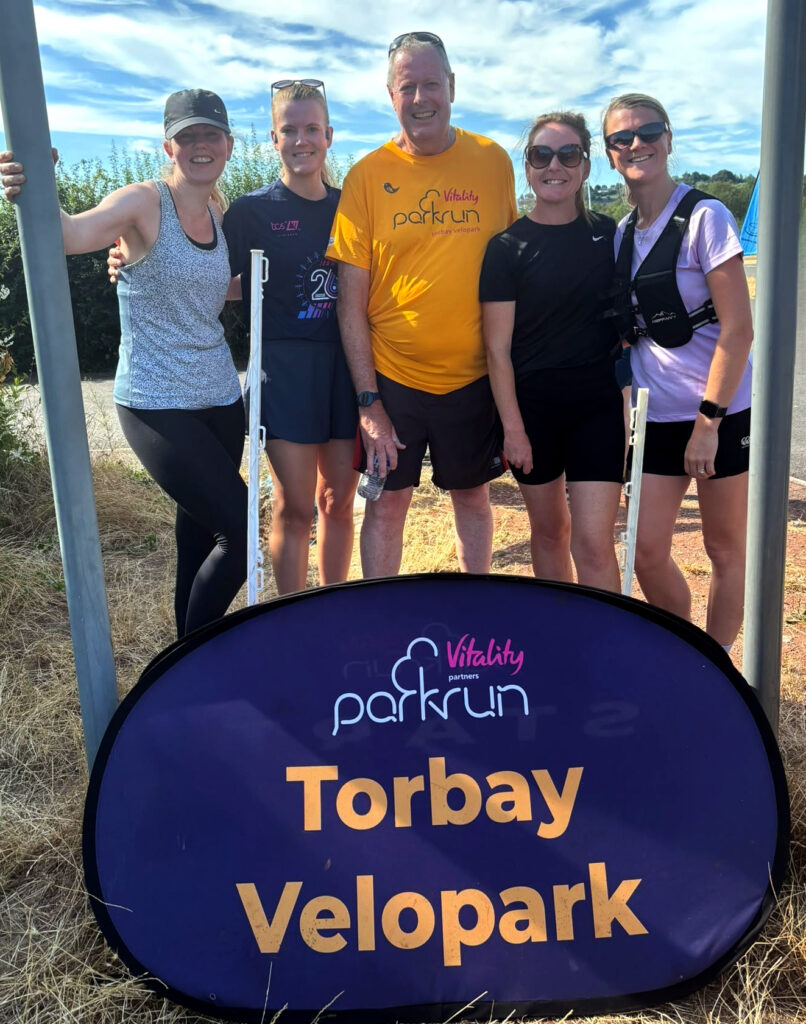
John Osborn has crossed the finishing line on his 100th Parkrun after taking part in a clinical trial at Torbay Hospital which is helping shape the future of personalised treatment for blood cancer patients.
John was diagnosed with Myeloma in December 2024 and took part in the national Myeloma XV RADAR clinical trial, which aims to tailor treatment according to each person’s diagnosis and response to treatment.
Following chemotherapy and a stem cell transplant, John set himself a personal goal. While recovering in hospital, he realised he was just four Parkruns away from reaching 100.
In July 2026, exactly one year after his stem cell transplant, John achieved that milestone. He said: “It wasn’t a personal best, but it was a way to show the progress I’d made during such a challenging year. The support I’ve had and continue to receive from everyone involved in my care has been incredible. Myeloma is a lifelong challenge, but I’ve set objectives way into the future to ensure life is lived to the full with my family and friends.”
Our Consultant Haematologist, Dr Heather Eve, said: “100 parkruns is no mean feat for anyone, but to do it one year after a transplant is even more impressive.
“By taking part in RADAR, John is helping shape the future of Myeloma treatment for patients across the country.”
Joe answers your questions about local healthcare
Joe recently sat down with Kevin Dixon, Chair of Healthwatch in Devon, Plymouth and Torbay, to talk about some of the issues local people care about most.
The conversation covered a range of topics, including the future of Torbay Hospital, neighbourhood health services, integrated care and how decisions are made about local NHS services.
It also explored some of the opportunities and challenges facing health and care services in the years ahead, and the importance of involving local people in conversations about future services.
Keeping Torbay Hospital safe and ready for the future
For more than 50 years, the Tower Block has been a familiar part of Torbay Hospital and has cared for generations of local people. It remains home to many of the services patients rely on every day and continues to play an important role in healthcare across Torbay and South Devon.
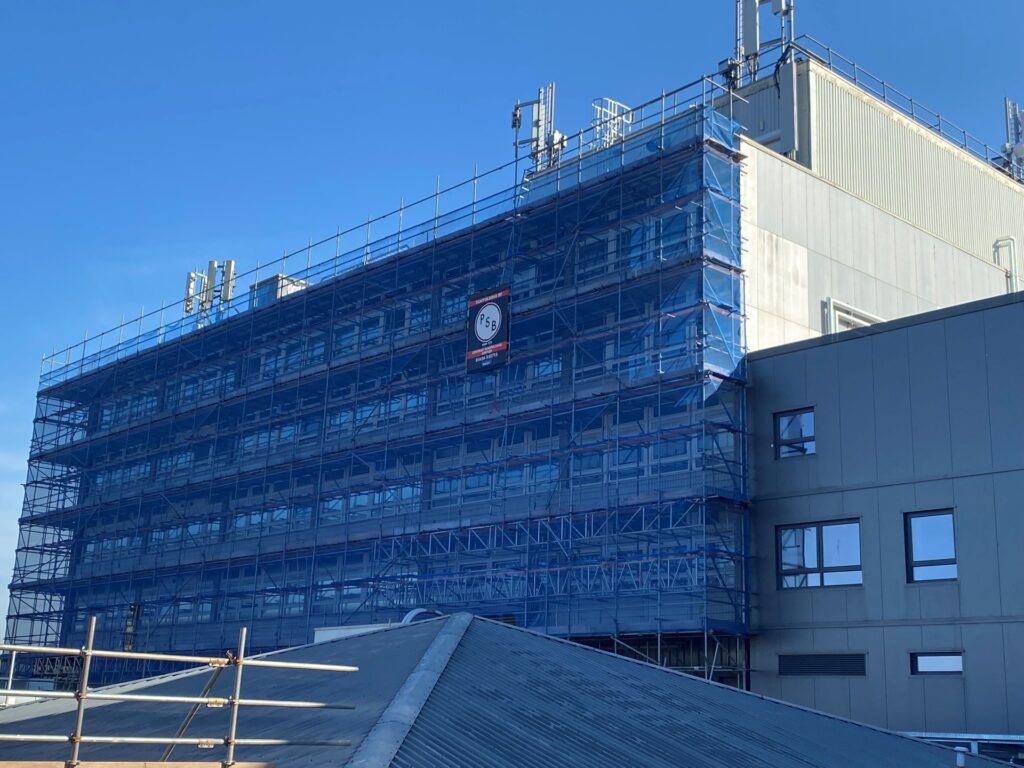
Like many NHS buildings of a similar age, the Tower Block has challenges linked to its age, design and condition. Its known estate and fire safety risks are not new and have been actively managed over many years through maintenance, practical safety measures, staff training, evacuation planning and ongoing investment.
The Tower Block was expected to be replaced as part of wider plans to redevelop the hospital estate through the Government’s New Hospital Programme. While that ambition remains, the building is now expected to remain in use for longer than originally anticipated. We therefore need to address the risks we face today while continuing to make the case for the modern hospital facilities local people need for the future.
A wide range of safety measures is already in place and patients continue to receive care in the Tower Block. We have also secured £1.8 million of government funding for the next phase of fire safety improvements.
Further fire risk assessments and evacuation modelling have given us a clearer understanding of the action now required. Devon and Somerset Fire and Rescue Service has issued a formal enforcement notice relating to evacuation arrangements on floors 4 to 8 of the Tower Block.
To meet the requirements of the notice, we are developing plans to temporarily move some services from the Tower Block to other locations within Torbay Hospital and to Trust sites in our local communities. This will help reduce the number of inpatients being cared for in parts of the building, strengthen evacuation arrangements and create the space needed for further fire safety improvements to be carried out safely.
These are temporary moves in response to the enforcement notice, not service closures. We are not closing the Tower Block, Torbay Hospital or any of the services based there. People will continue to have access to the same services, although some may temporarily be provided from a different location. Based on our current plans, services would continue to be provided within Torbay and South Devon, subject to Devon and Somerset Fire and Rescue Service being satisfied that the arrangements we put in place meet the requirements of the Enforcement Notice.
Joe Teape, Chief Executive, said: “The Tower Block has served local communities for decades and continues to play a vital role in healthcare across Torbay and South Devon. While the challenges associated with an ageing building are significant, our responsibility is to address them openly and take the action needed to keep patients, visitors and colleagues safe.”
“These temporary changes will help ensure people continue to have access to the care they need locally, while we carry out further improvements and continue making the case for the long-term investment needed to modernise our hospital estate.”
We will share further details once plans have been agreed and affected patients and teams have been informed.
Our expanded Same Day Emergency Care service opens its doors
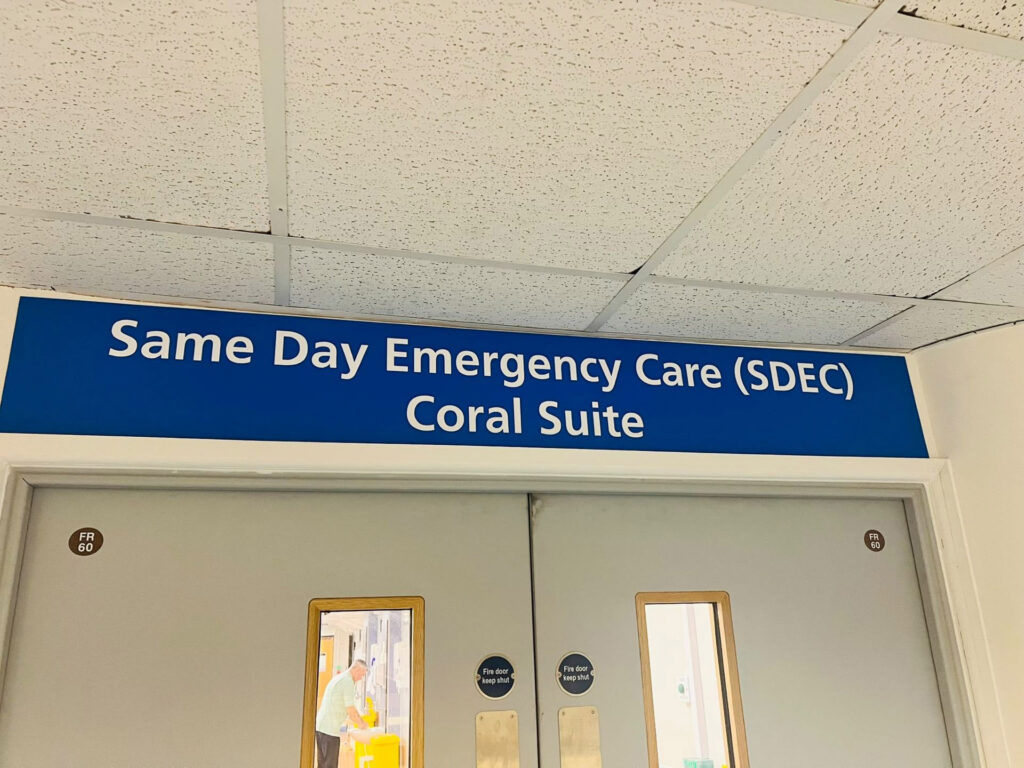
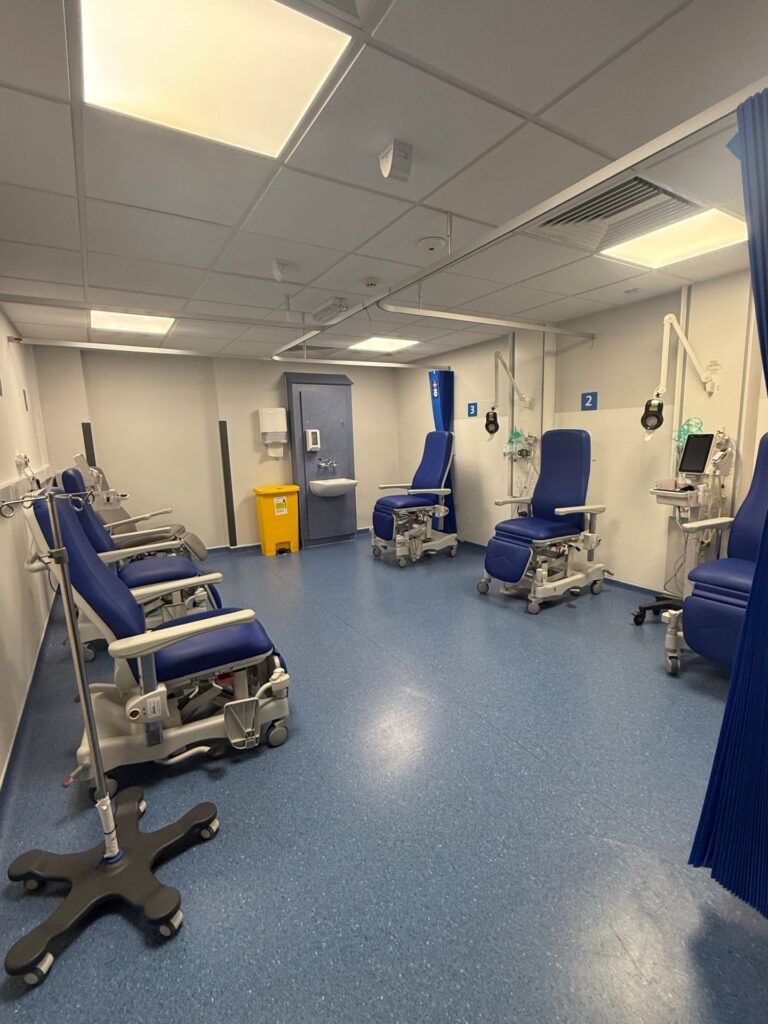
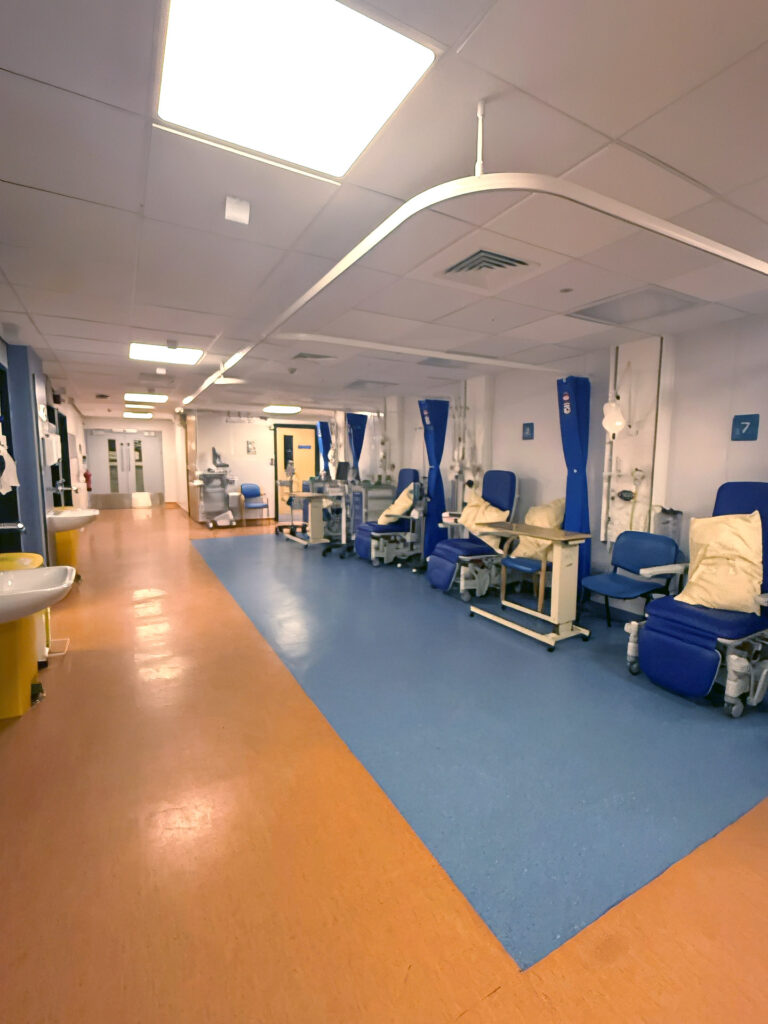
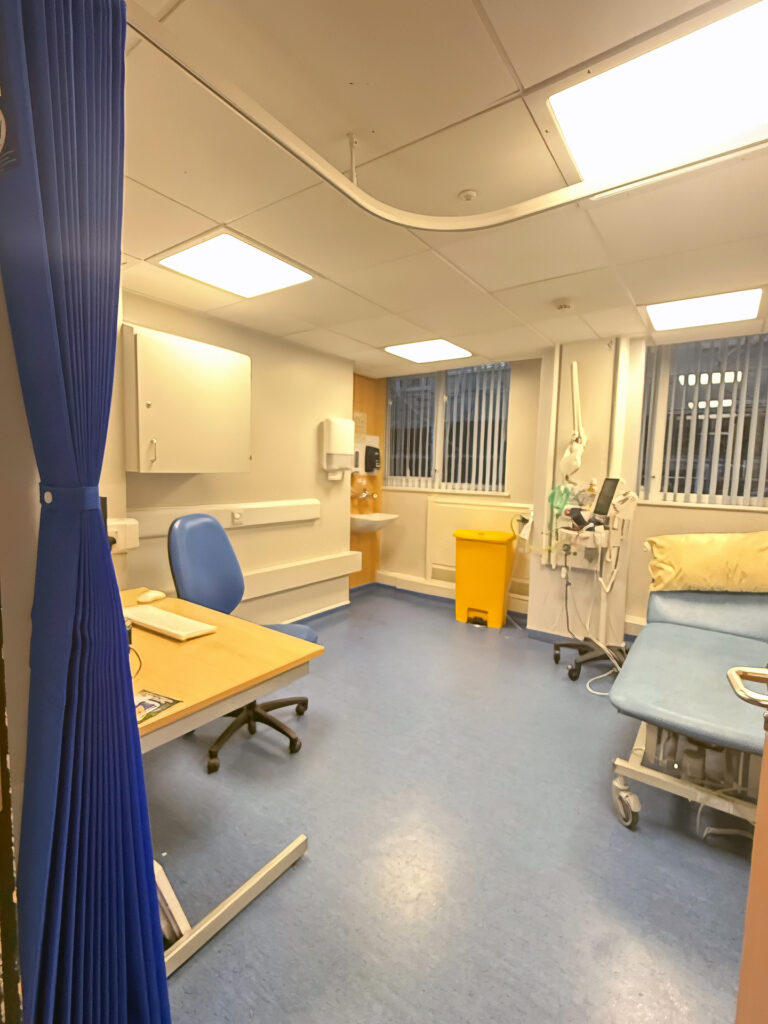
More people across Torbay and South Devon will be able to receive urgent treatment without needing an overnight hospital stay following the expansion of Same Day Emergency Care (SDEC) at Torbay Hospital.
The service has expanded into the Coral Suite and now operates Monday to Friday, from 8am to 8pm, enabling more people to benefit from rapid assessment, diagnosis and treatment for a range of urgent medical conditions.
Rather than being admitted to a hospital ward, many people can now have tests, receive treatment and return home the very same day. For patients, this often means spending less time in hospital and recovering in the comfort of their own surroundings.
The expansion is part of wider work to ensure people receive care in the most appropriate setting for their needs, while helping hospital beds remain available for those patients who need specialist care or an overnight stay.
People do not usually access SDEC directly. Instead, referrals are made by healthcare professionals including GPs, ambulance crews, NHS 111, the Emergency Department and hospital specialists.
Sam Wadham-Sharpe, Chief Operating Officer, said:
“Traditionally, many of these patients would have been admitted to a hospital ward while tests, treatment or observations took place. Same Day Emergency Care means many people can now receive that care and return home on the very same day.
“That’s often a better experience for patients and their families, while ensuring our inpatient beds are available for those people who need them most. Expanding the service means we can support significantly more patients in this way, particularly during the busy winter months.”
The expanded service will enable teams to care for up to twice as many patients as before, helping more people receive prompt treatment while avoiding an unnecessary stay in hospital.
Creating the expanded service has involved colleagues from across urgent care, acute medicine, nursing, estates and support services working together to redesign and prepare the new space ahead of winter. The result is a larger, dedicated environment that will help more people receive prompt treatment while avoiding an unnecessary stay in hospital.
A few simple steps can help you stay well this winter
Winter is one of the busiest times of year for the NHS. As temperatures fall, we typically see more people needing urgent and emergency care, alongside higher levels of flu, COVID-19 and other seasonal illnesses.
Winter is one of the busiest times of year for the NHS. As temperatures fall, we typically see more people needing urgent and emergency care, alongside higher levels of flu, COVID-19 and other seasonal illnesses.
Our teams are preparing for the months ahead by expanding services, increasing capacity and working closely with partners across health and social care. But there are also simple things we can all do to help stay healthy and make sure NHS services are available for those who need them most.
Protect yourself with vaccination
If you’re eligible, getting your flu vaccination remains one of the most effective ways to reduce your risk of serious illness this winter.
Flu can be much more serious than many people realise, particularly for older people, pregnant women, young children and people living with long-term health conditions.
Vaccination not only helps protect you, it also helps reduce the spread of illness to family members, friends and others who may be more vulnerable.
Order medicines before you need them
Winter illnesses can often mean GP practices and pharmacies are busier than usual.
If you take regular medication, make sure repeat prescriptions are ordered in plenty of time and collect any medicines before the Christmas and New Year holiday period.
Know where to get help
Choosing the right service helps people receive care more quickly and ensures emergency departments are available for those with the most serious illnesses and injuries.
NHS 111 Available online and by phone 24 hours a day for advice and support.
Your GP practice Often the best place for non-emergency health concerns.
Urgent Treatment Centres and Minor Injury Units For urgent illnesses and injuries that are not life-threatening.
999 and Emergency Departments For serious emergencies such as signs of a stroke, severe breathing difficulties, chest pain or major injuries.
Look out for friends, family and neighbours
Winter can be particularly challenging for older people and those living alone.
A phone call, helping someone collect shopping or prescriptions, or checking in on a neighbour can make a real difference during colder weather.
Our teams are getting winter ready
Our colleagues are already rolling up their sleeves and getting vaccinated to help protect themselves, their families and the people they care for.
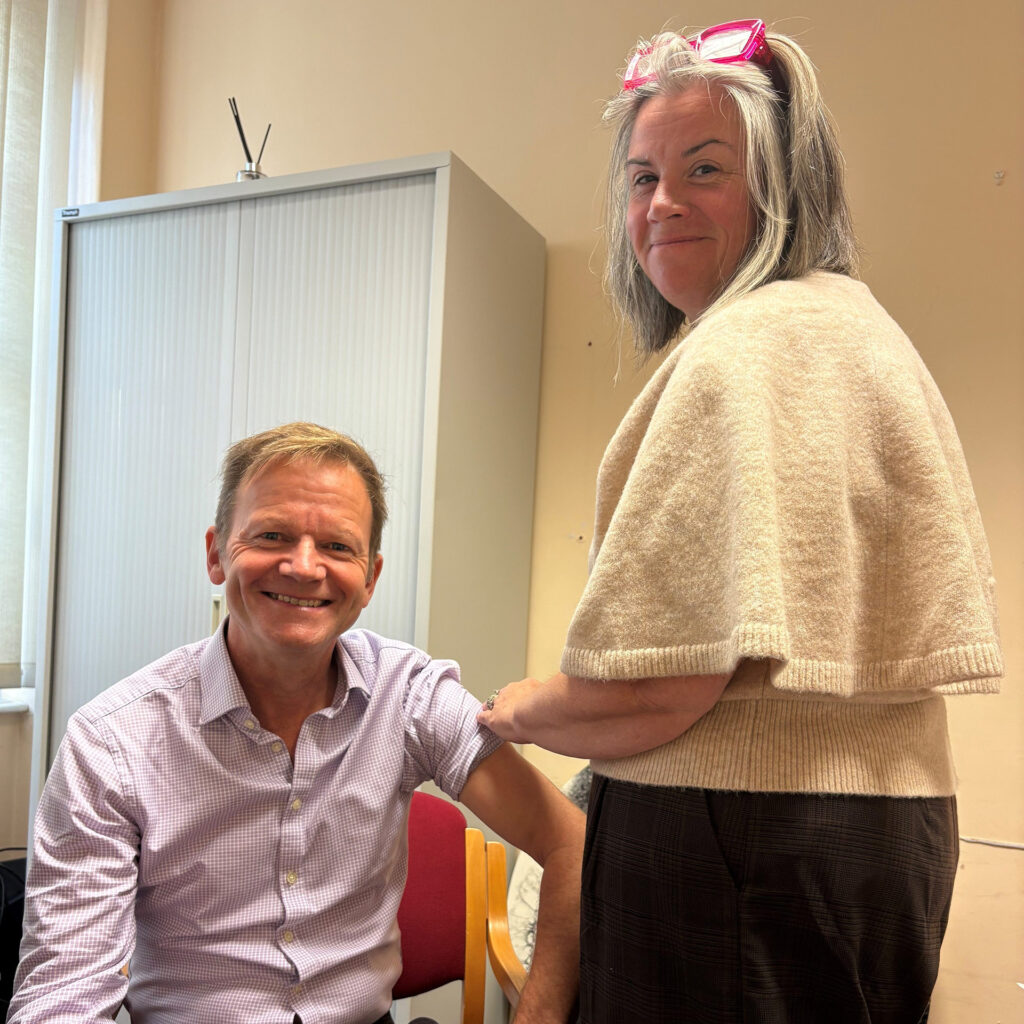
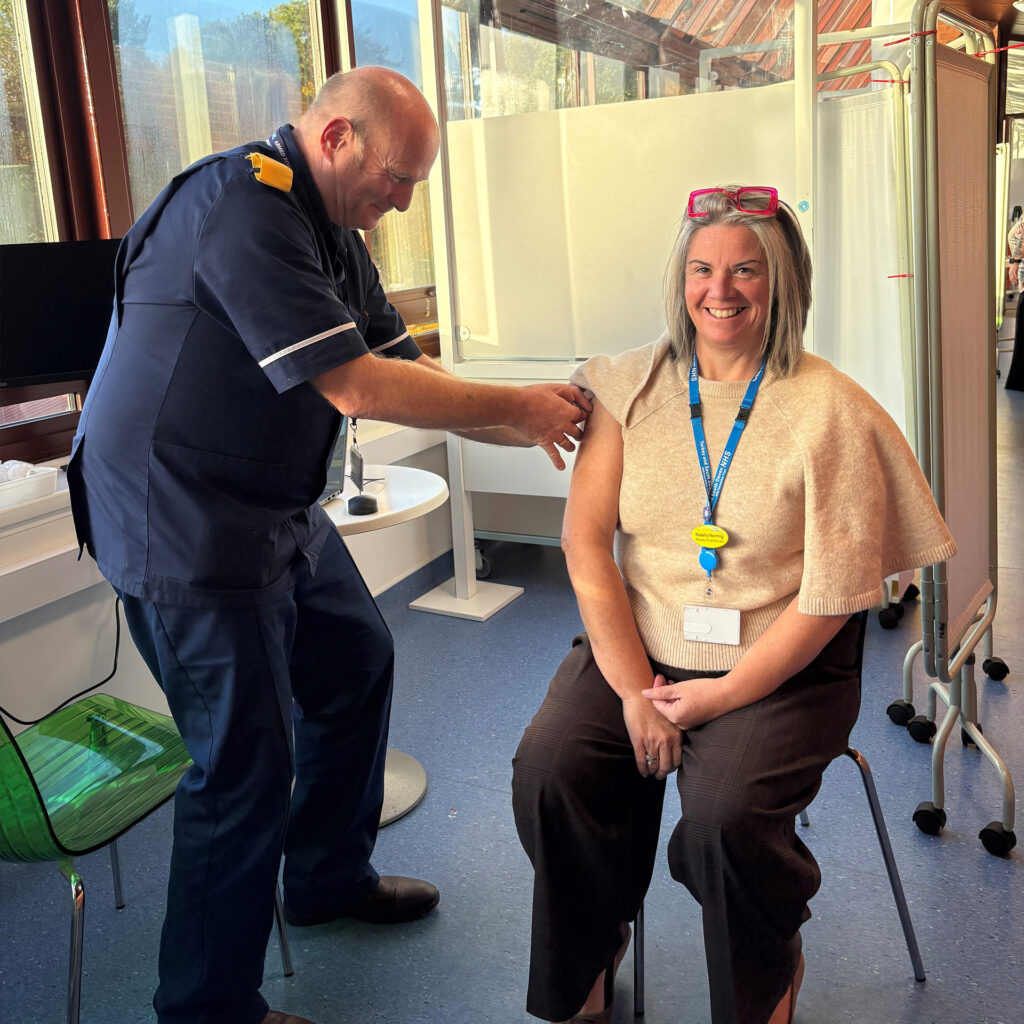
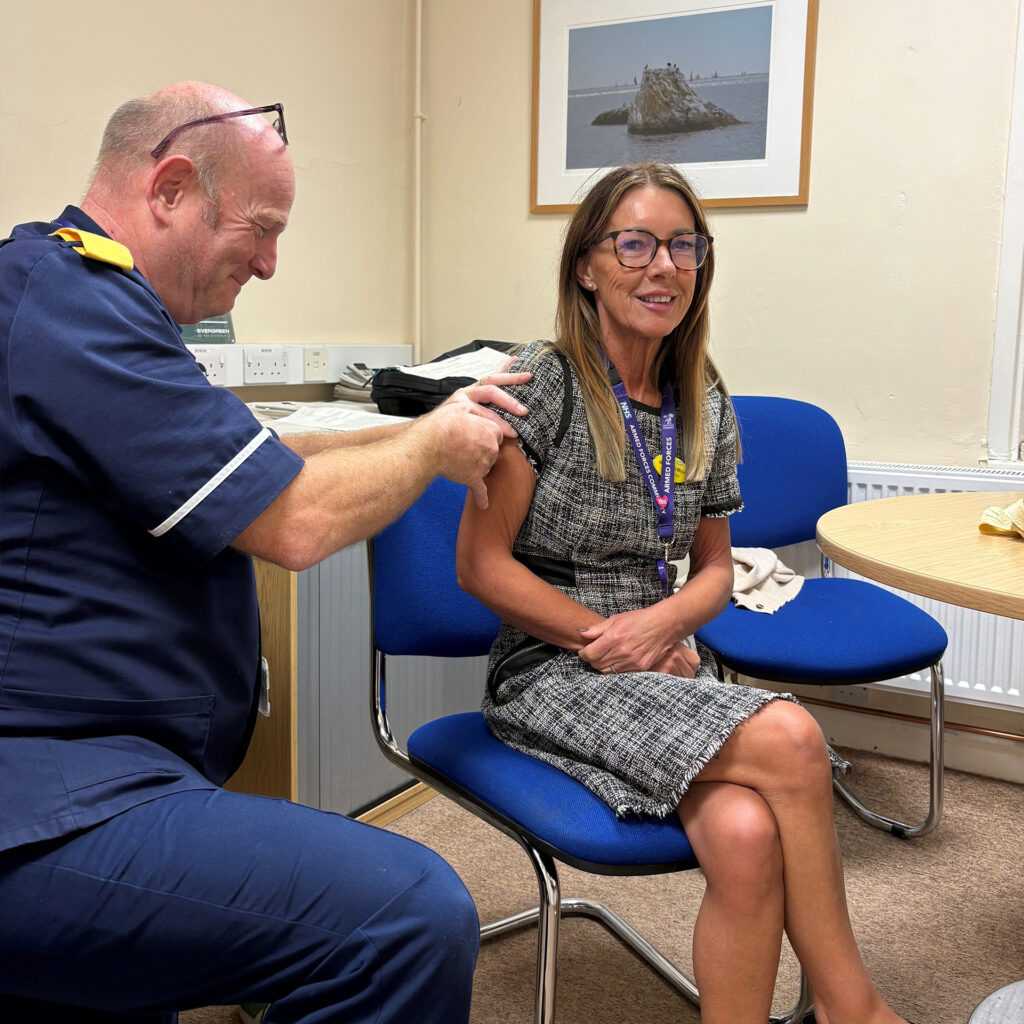
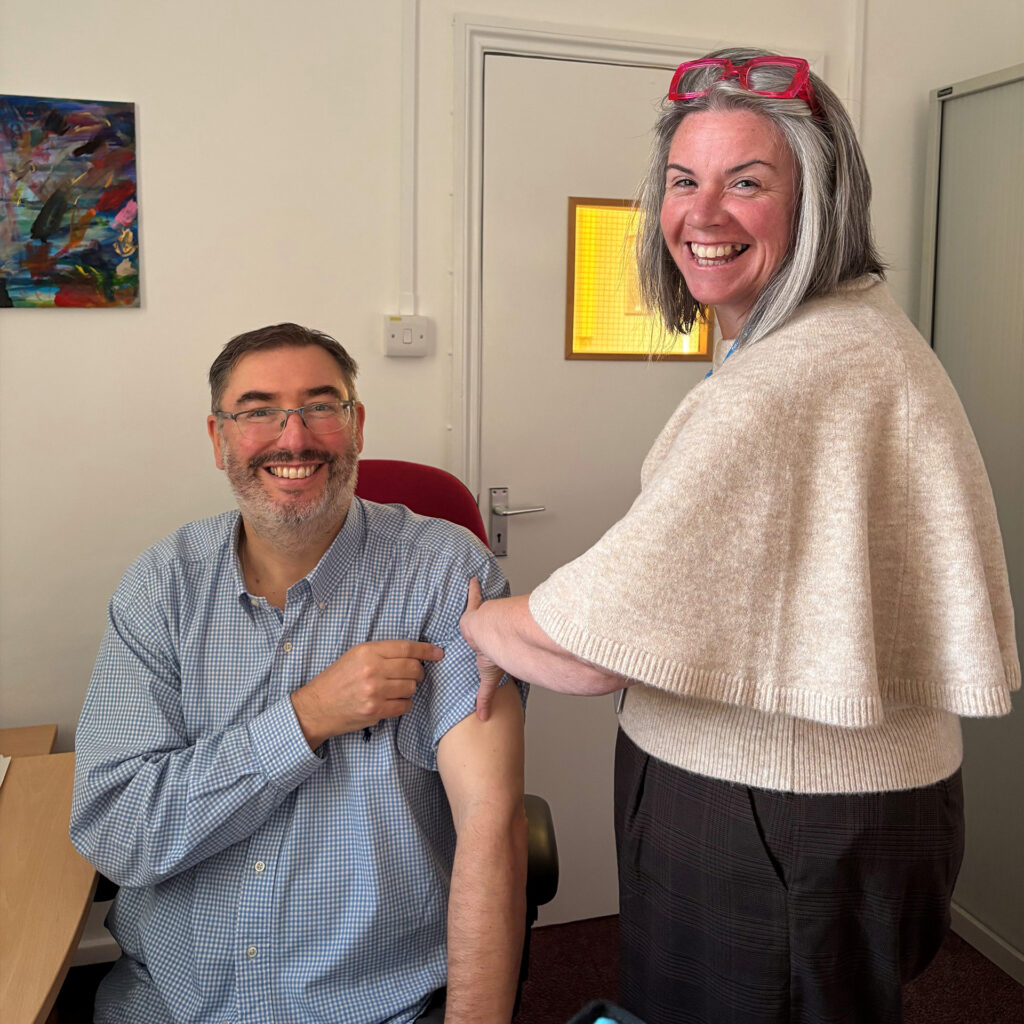
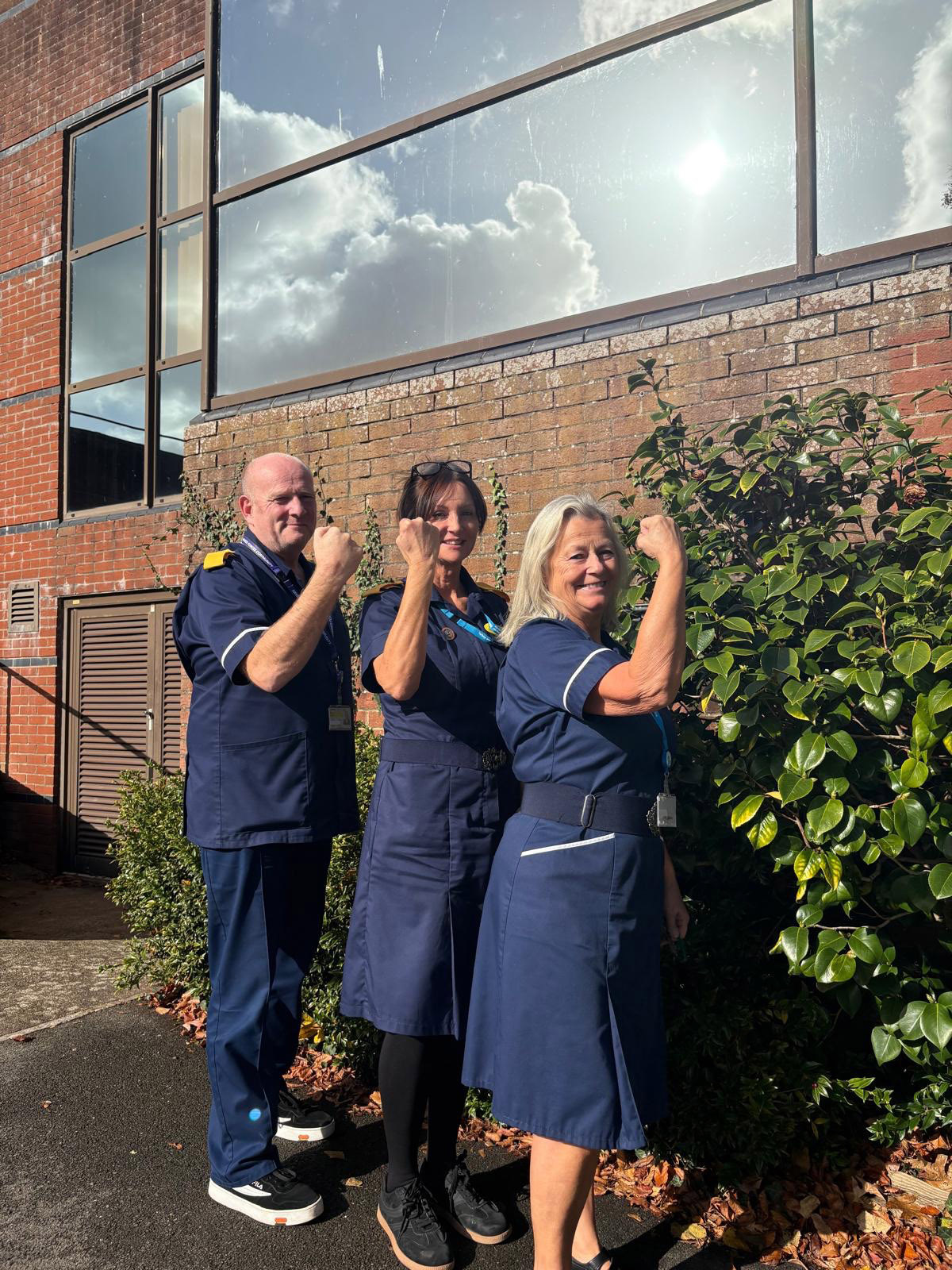
Among the first to receive their flu vaccinations this year were Joe Teape, Chief Executive, Chief Nurse Nicola McMinn and Deputy Chief Nurse Natalie Herring – in the past few weeks they’ve been joined more than 1,600 of our colleagues.
As we head into winter, we’re encouraging all eligible colleagues to get vaccinated and play their part in helping keep our services resilient for patients and families across Torbay and South Devon. Thank to you everyone who is having their flu jab this year.
Winter health checklist
New appointment priority service aims to make urgent care simpler
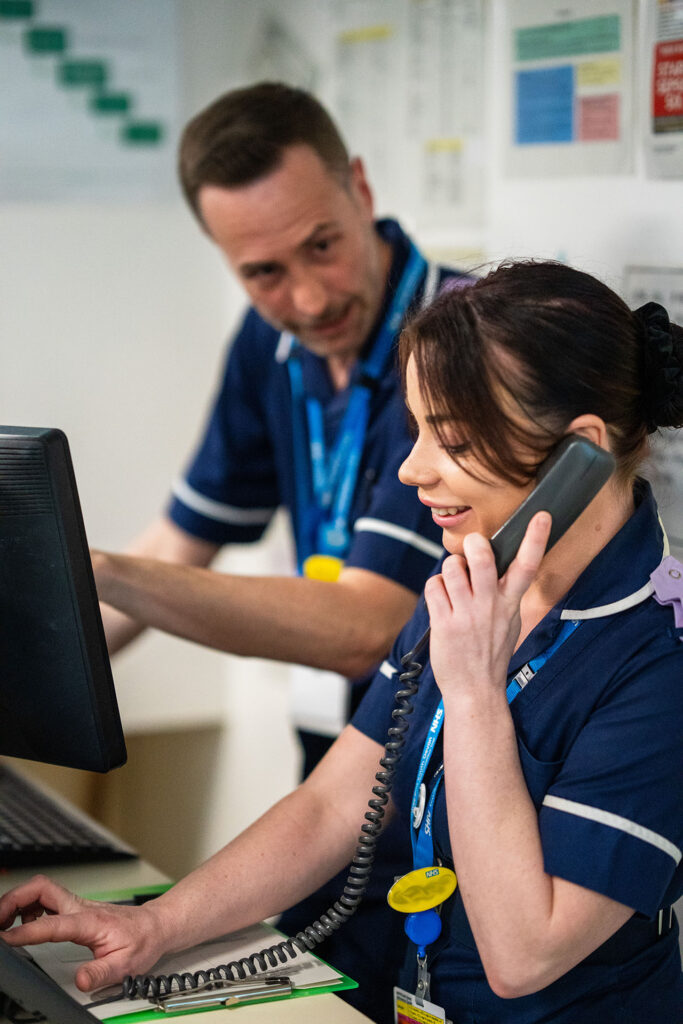
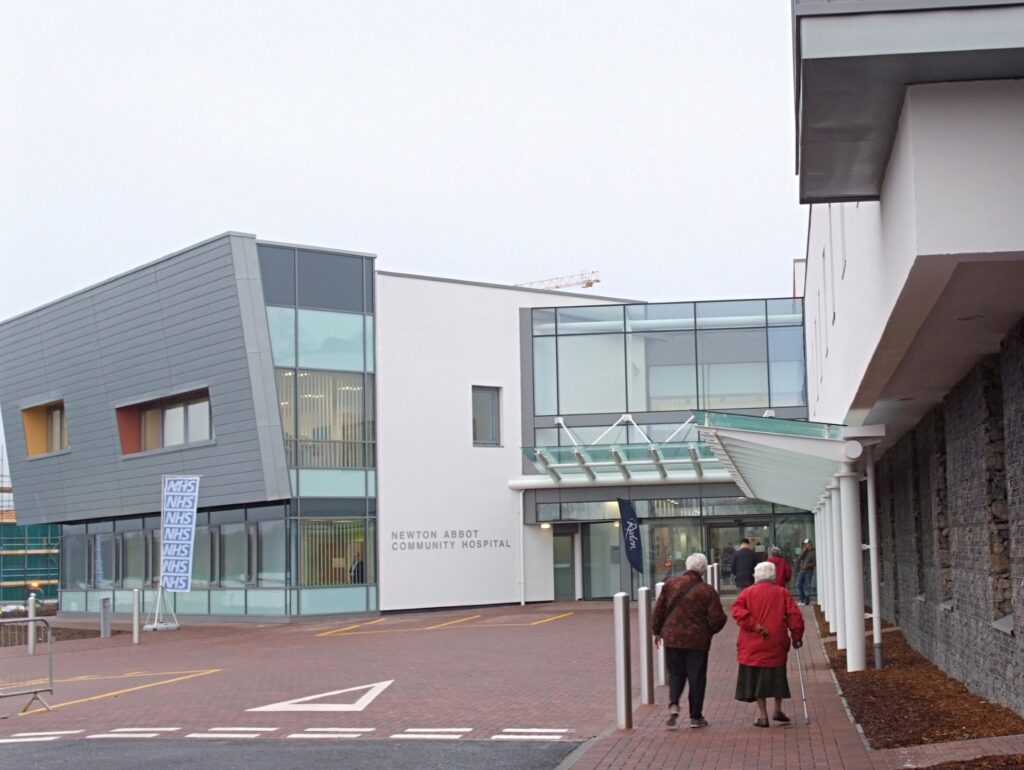
People who need urgent treatment for a minor illness or injury are being encouraged to book a same-day appointment before attending Newton Abbot Urgent Treatment Centre.
The new appointment priority service gives people greater certainty about when they’ll be seen and helps reduce waiting times during busy periods.
Appointments can be booked on the day by calling 01626 324631 from 8am to 8pm, seven days a week.
Our urgent treatment centre can assess and treat a range of conditions including sprains, minor fractures, burns, cuts, ear infections and uncomplicated urinary infections.
Booking ahead helps our teams manage demand more effectively and means people can spend less time waiting and more time focusing on getting better.
Anyone with a life-threatening illness or injury should continue to call 999 or attend the Emergency Department.
Your healthcare information at your fingertips with MY CARE
More than 250,000 people are already using MY CARE to access their healthcare information online.
The secure online portal helps you stay connected to your care, giving you access to important information whenever and wherever you need it.
With MY CARE you can:
- View appointment information
- Access clinic letters
- See information relating to your care
- Receive updates securely online
The service is available on smartphones, tablets and computers, helping make healthcare more convenient and reducing the need for paper correspondence.
Whether you’re checking an appointment date or looking back at information shared during your care, MY CARE puts important healthcare information at your fingertips. To find out more, visit our website and search for MY CARE.
Call for Concern helping patients and families raise concerns
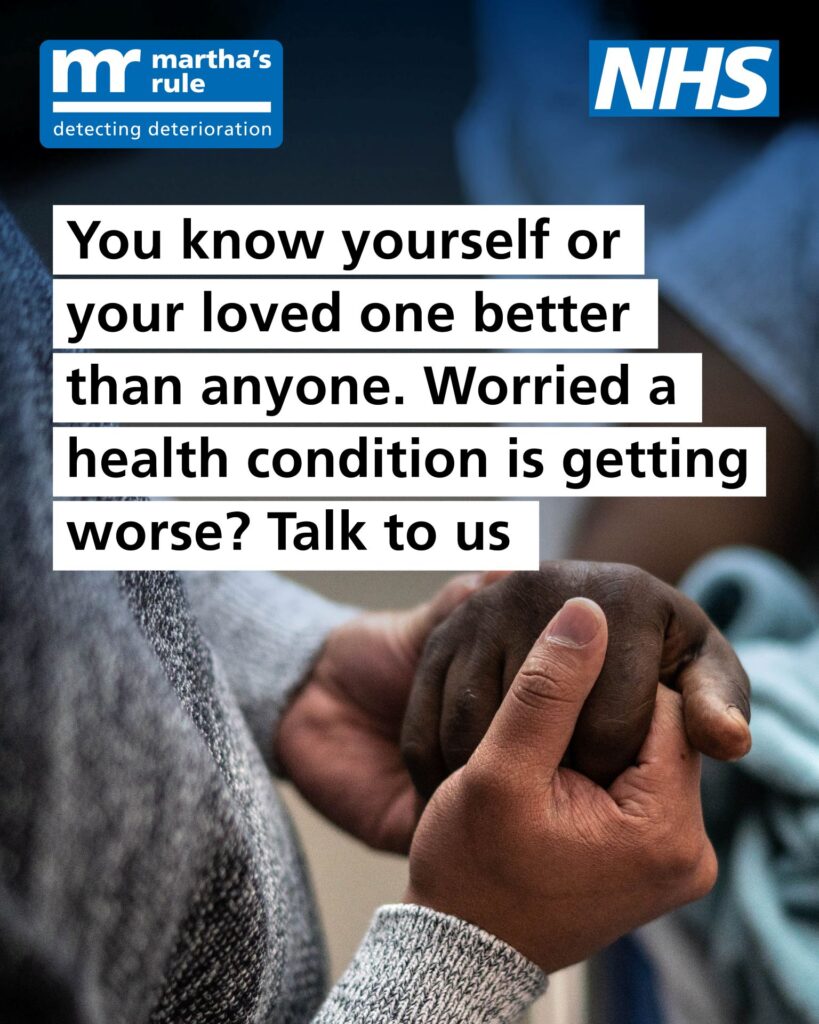
We want every patient and family to feel listened to during their care. That’s why we have an established Call for Concern service, which shares the same principles as the national Martha’s Rule initiative, giving patients, carers and loved ones an additional way to raise concerns if they believe someone’s condition is getting worse.
Most concerns are resolved quickly by the ward team, but Call for Concern provides additional reassurance that concerns can be escalated if needed. The service is supported by our experienced Critical Care Outreach Team, who are available 24 hours a day, seven days a week, to review patients whose condition may be deteriorating.
If patients, families or carers remain worried after speaking with the healthcare team, they can ask a member of staff about Call for Concern and request a further review.
By encouraging families to speak up when they are concerned, Call for Concern helps ensure patients receive the right care at the right time and that loved ones remain active partners in decisions about care.
Dr Kate Lissett, our Chief Medical Officer, says: “Patients and families know their loved ones best. If something doesn’t feel right, we want to hear from them. Call for Concern provides an additional route for people to raise concerns and helps us identify deterioration early, ensuring patients receive the support they need.”
Dying to get a tan? Skin expert shares the signs of skin cancer at free event
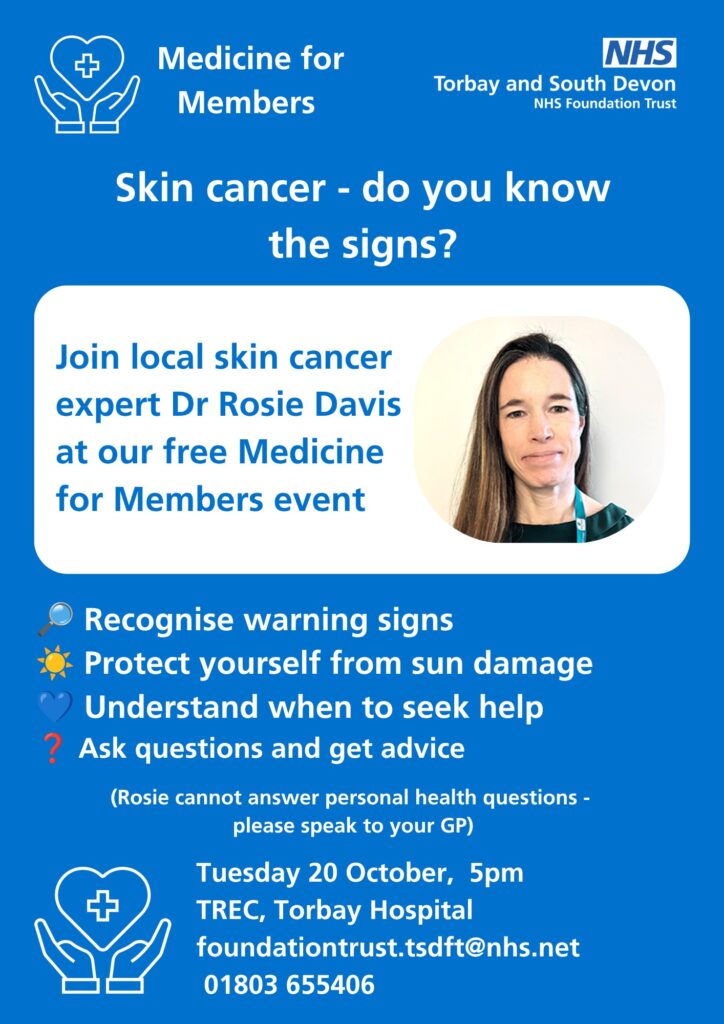
People across Torbay and South Devon were invited to learn how to protect their skin, recognise the early signs of skin cancer and understand when to seek expert advice at our Medicine for Members event earlier this month.
The free event took place at 5pm on Tuesday 20 October at TREC, Torbay Hospital and featured a talk from Dr Rosie Davis, Consultant Dermatologist, who practises at both Mount Stuart Hospital and Torbay Hospital.
Medicine for Members is a popular series of public events hosted by the Trust’s governors, giving local people the opportunity to hear directly from clinical experts about health topics that matter to them. The events offer an engaging way to learn more about healthcare, hear about the latest developments in treatment and ask questions in an informal setting.
South Devon experiences high levels of ultraviolet (UV) exposure and has particularly high rates of skin cancer compared with many other parts of the UK. As a result, increasing awareness of skin cancer prevention and early diagnosis has never been more important.
During the event, Dr Rosie Davis explained how people can reduce their risk through sensible sun protection, highlighted the changes to look out for on their skin and provided an overview of the different types of skin cancer and how they are diagnosed and treated.
There was plenty of opportunity for attendees to ask questions and hear practical advice that they can take away and apply in their daily lives.
Dr Rosie Davis said: “Many people are surprised to learn that South Devon has particularly high rates of skin cancer. While enjoying the outdoors is one of the great benefits of living in this part of the country, it is important that we understand how to protect ourselves from the harmful effects of UV exposure. Early detection can make a significant difference to outcomes, so I hope this event will help people feel more confident about recognising changes in their skin, knowing when to seek advice and taking simple steps to reduce their risk.”
Know the signs of skin cancer
Skin cancer is one of the most common forms of cancer, but early detection can make a significant difference. That’s why it’s important to regularly check your skin and seek advice if you notice anything unusual.
Signs to look out for include:
- A new mole or mark on your skin
- Changes in the size, shape or colour of an existing mole
- A sore that doesn’t heal
- Unusual lumps or patches of skin
Protecting your skin from excessive sun exposure is also important. Using sunscreen, covering up and avoiding the strongest midday sun can all help reduce your risk.
If you’re concerned about any changes to your skin, contact your GP practice for advice.
New ramp planned to improve access on the Hospital Trail
Plans for a new accessible ramp could soon make it easier for more people to use the Hospital Trail in Torquay.
The proposed ramp would replace a section of steps at Rainbow Drive, improving access for wheelchair users, mobility scooter users, cyclists and families with pushchairs.
The Hospital Trail provides an important connection between local communities and Torbay Hospital, helping people choose healthier and more sustainable ways to travel.
The project builds on previous improvements along the route and forms part of wider efforts to make active travel more accessible for everyone.
Local people can share their views online until midnight on Sunday 25 October.
Help your child stay well this winter
Winter often brings coughs, colds and seasonal bugs, but there are simple things parents and carers can do to help keep children healthy.
Ensuring children are up-to-date with all their routine vaccinations is one of the most important things parents can to. These provide vital protection against serious illnesses and help prevent outbreaks within the community.
Good handwashing, healthy eating, plenty of sleep and regular physical activity can also help strengthen children’s immune systems and reduce the risk of illness.
While most common childhood illnesses can be managed at home, parents should seek advice if symptoms worsen or if they are concerned about their child.
NHS 111 is available online and by phone 24 hours a day and can help families find the right support quickly.
By taking a few simple steps now, families can help reduce the chances of illness disrupting school, work and family life this winter.
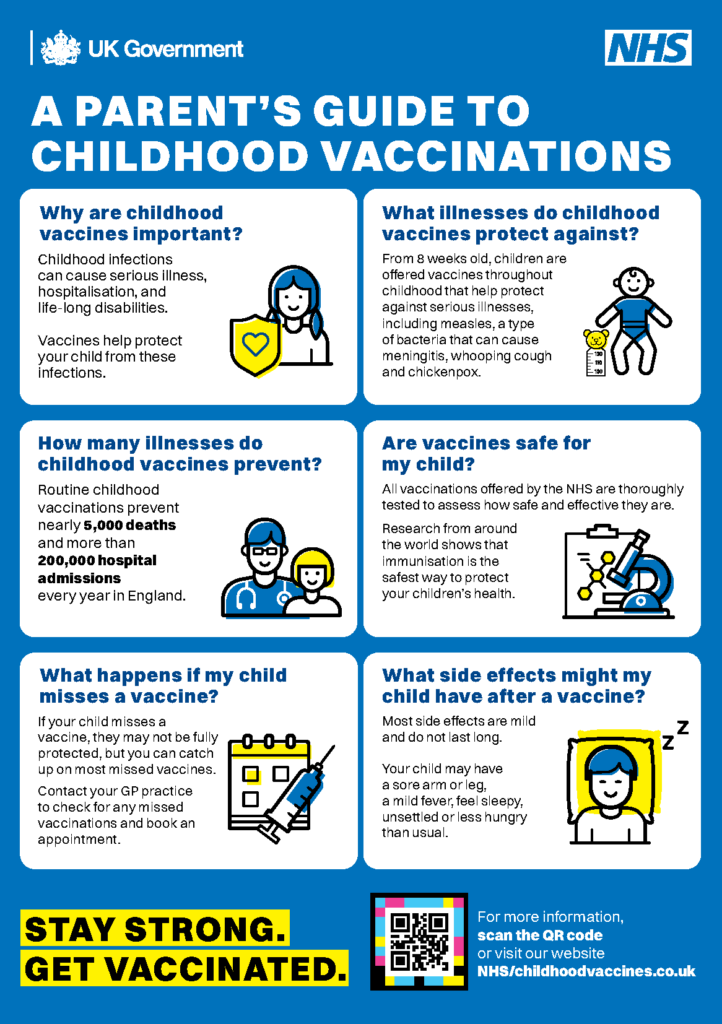
Why are childhood vaccines important?
Childhood infections can cause serious illness, hospitalisation, and life-long disabilities. Vaccines help protect your child from these infections.
What illnesses do childhood vaccines protect against?
From 8 weeks old, children are offered vaccines throughout childhood that help protect against serious illnesses, including measles, a type of bacteria that can cause meningitis, whooping cough, and chickenpox.
How many illnesses do childhood vaccines prevent?
Routine childhood vaccinations prevent nearly 5,000 deaths and more than 200,000 hospital admissions every year in England.
Are vaccines safe for my child?
All vaccinations offered by the NHS are thoroughly tested to assess how safe and effective they are. Research from around the world shows that immunisation is the safest way to protect your children’s health.
What happens if my child misses a vaccine?
If your child misses a vaccine, they may not be fully protected, but you can catch up on most missed vaccines. Contact your GP practice to check for any missed vaccinations and book an appointment.
What side effects might my child have after a vaccine?
Most side effects are mild and do not last long. Your child may have a sore arm or leg, a mild fever, feel sleepy, unsettled, or less hungry than usual.
STAY STRONG. GET VACCINATED.
For more information, scan the QR code or visit the NHS website’s vaccinations page.
League of Friends funding helps enhance care for babies, children and young people
Babies, children and young people receiving care at our hospital are benefiting from new state-of-the-art monitoring technology thanks to the generosity of Torbay Hospital League of Friends.
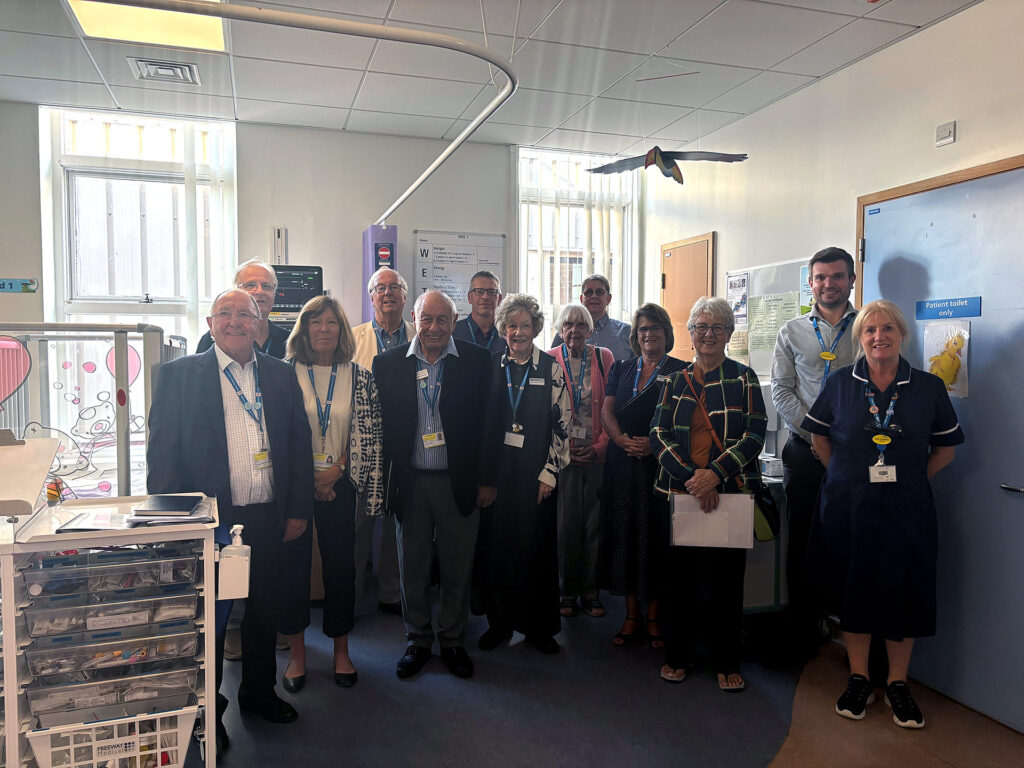
The investment has funded new monitoring equipment across our Special Care Baby Unit, Paediatric Emergency Department and children’s wards, helping our teams keep a close eye on patients while creating a calmer environment for families.
In some areas, staff can now review patient observations from central monitoring stations, meaning less disruption for children while maintaining high-quality care and observation.
This technology helps our teams spend less time checking equipment and more time caring for patients and supporting families.
The investment supports a more modern approach to patient monitoring, helping clinicians identify changes in a patient’s condition sooner and providing greater visibility of patients across busy clinical environments.
Michelle Townsend, Ward Manager for Louisa Cary Ward, said: “When a child is in hospital, families naturally want reassurance that they are being closely monitored, particularly when they are very unwell or need a higher level of observation.
“This technology gives our teams greater flexibility in how we care for patients and means we can keep a close eye on them while creating a calmer environment for children and their families. We are incredibly grateful to Torbay Hospital League of Friends for supporting an improvement that will benefit patients for many years to come.”
Martin Tucker, Chair of Torbay Hospital League of Friends, said: “One of the things we look for when considering which projects to support is a clear benefit for patients.
“This project stood out because it supports some of the hospital’s youngest patients while also helping the staff who care for them.”
The League continues to fund equipment and improvements that go above and beyond NHS provision, helping enhance care for local people.
Remembering every baby, supporting every family
For parents, the loss of a baby is something they carry with them forever. While Baby Loss Awareness Week may have come to an end, the support available to families across Torbay and South Devon continues all year round.
Around 45 families locally experience the heartbreak of losing a baby before, during or shortly after birth each year. Behind every one of those families is a unique story of love, loss and remembrance.
Supporting them through some of the most difficult moments of their lives are our specialist Bereavement Midwives, Fay Martin and Anna Stewart. Together, they provide compassionate care and practical support to families affected by pregnancy loss and baby loss, helping parents navigate complex decisions, create precious memories with their baby and access ongoing emotional support.
The importance of this work was recognised nationally earlier this year when Fay was shortlisted for the prestigious Elaine Thorp Award for Bereavement Care at the Sands Baby Loss Awards. The award celebrates healthcare professionals who make an exceptional difference to families following pregnancy loss or the death of a baby.
Fay said: “The loss of a baby is devastating and affects every family differently. We want parents to know that they are not alone and that support is available for as long as they need it. It is a privilege to walk alongside families and help them create memories and find support during such a difficult time.”
As part of our commitment to supporting bereaved families, we also work in partnership with Luna’s Fund, a baby loss charity founded by bereaved mother Aimee Green. The charity recently expanded its services into Torbay and South Devon and offers support including wellbeing breaks, community events and specialist support for families experiencing a pregnancy after loss.
Anna said: “For many families, the impact of losing a baby lasts a lifetime. Our role is to ensure parents feel cared for, listened to and supported in whatever way is right for them. We want every family to know that their baby will always be remembered.”
Through the dedication of our maternity teams and partners such as Luna’s Fund, families across Torbay and South Devon can access support, understanding and compassionate care whenever they need it.
For more information about support available following baby loss, speak to your midwife or healthcare professional.
If you have experienced loss, please join us at our annual remembrance weekend in December.
We’re holding craft sessions in Bayview Restaurant, Torbay Hospital on 05 December from 10am to midday, and a remembrance service at All Saints Church in Babbacombe on 06 December from 3pm.
Helping every child find their voice
Children and Family Health Devon (CFHD) is helping children and young people play a bigger role in shaping their own healthcare through a new Communication Passport.
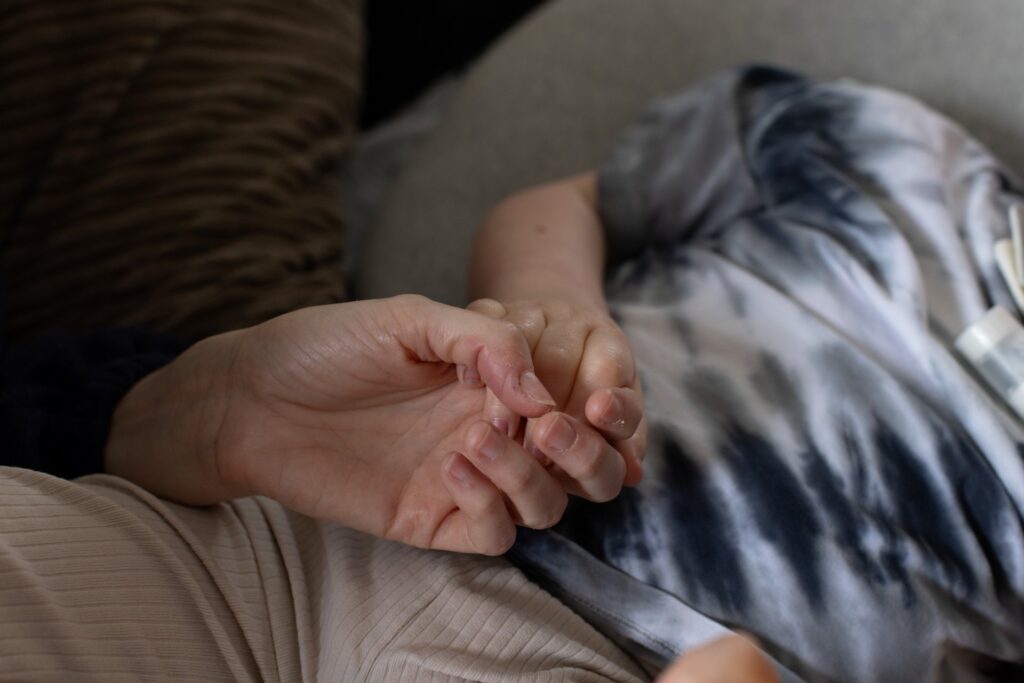
Developed alongside children, young people and families, the passport helps young people share information about how they communicate, what matters to them and how professionals can best support them.
For many families, this means they no longer need to repeatedly explain their child’s needs and preferences at different appointments. Instead, children and young people can share important information once, helping healthcare teams understand them more quickly and provide more personalised care.
The passport can include information about communication preferences, sensory needs, worries and the things that help a child feel comfortable and safe.
It is already being introduced across CFHD’s services, with Easy Read and younger children’s versions also planned.
Most importantly, the passport is helping ensure children and young people feel heard. It’s a wonderful example of how listening to families can result in practical changes that make healthcare experiences better for everyone.
Young people helping break the stigma around mental health
Young people across Devon are helping to start important conversations about mental health by sharing their own experiences to support others.
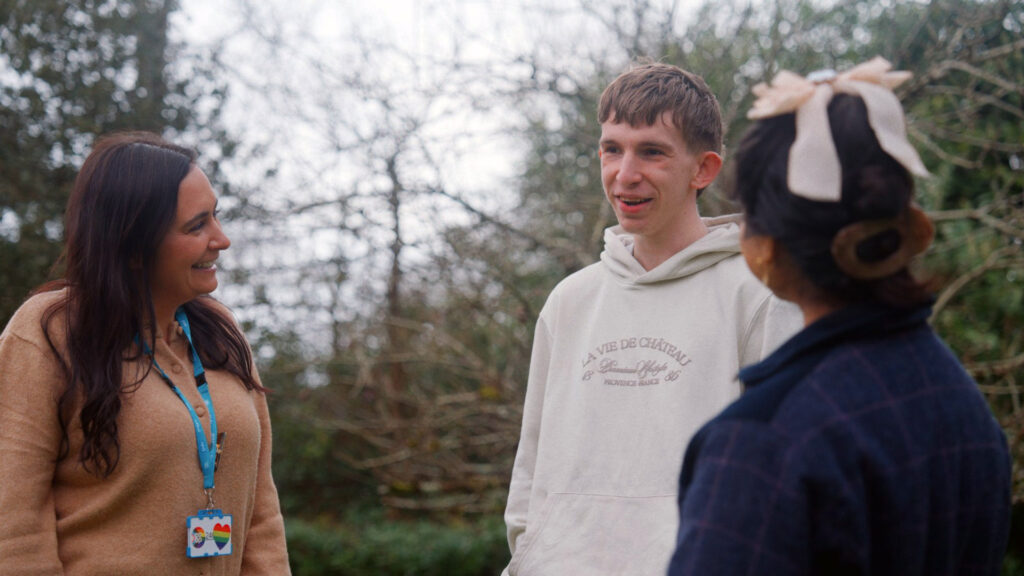
To mark last month’s World Suicide Prevention Day, young advisers worked alongside participation teams to create videos and blogs aimed at raising awareness, reducing stigma and encouraging people to seek support when they need it.
Rather than having messages created for them, the young people chose how they wanted to tell their stories. Their experiences highlighted the importance of talking openly about mental health and reminded others that help is available.
The content was shared online and through social media, helping reach other young people across Devon and encouraging conversations among friends, families and communities.
By sharing their stories, these inspiring young people are helping create a future where talking about mental health feels easier and where seeking support is seen as a sign of strength.
Families supporting families through eating disorder recovery
Families who have experience of supporting a loved one with an eating disorder are helping other parents and carers navigate similar challenges.

CFHD’s Eating Disorders Team works closely with parents and carers who have experienced similar challenges to provide encouragement, understanding and practical advice to families at the start of their recovery journey.
These lived-experience contributors take part in psychoeducation groups, where they share personal insights about the challenges they faced, the support that helped them and the importance of maintaining hope during recovery.
For many families, hearing from someone who has walked a similar path can be reassuring. It provides an opportunity to ask questions, learn from others’ experiences and gain confidence that recovery is possible.
Getting help
If you are concerned that your child may have an eating disorder, it is important to seek help early. Speak to your GP, who can assess your child’s needs and refer them to specialist services if required.
Parents, carers, teachers and young people themselves can all play an important role in spotting the early signs and encouraging someone to get support.
Early intervention can make a significant difference, and families are encouraged to seek advice if they have concerns rather than waiting for symptoms to worsen.
By working together, families, people with lived experience and healthcare professionals are helping create a supportive community where young people feel understood, empowered and hopeful about recovery.
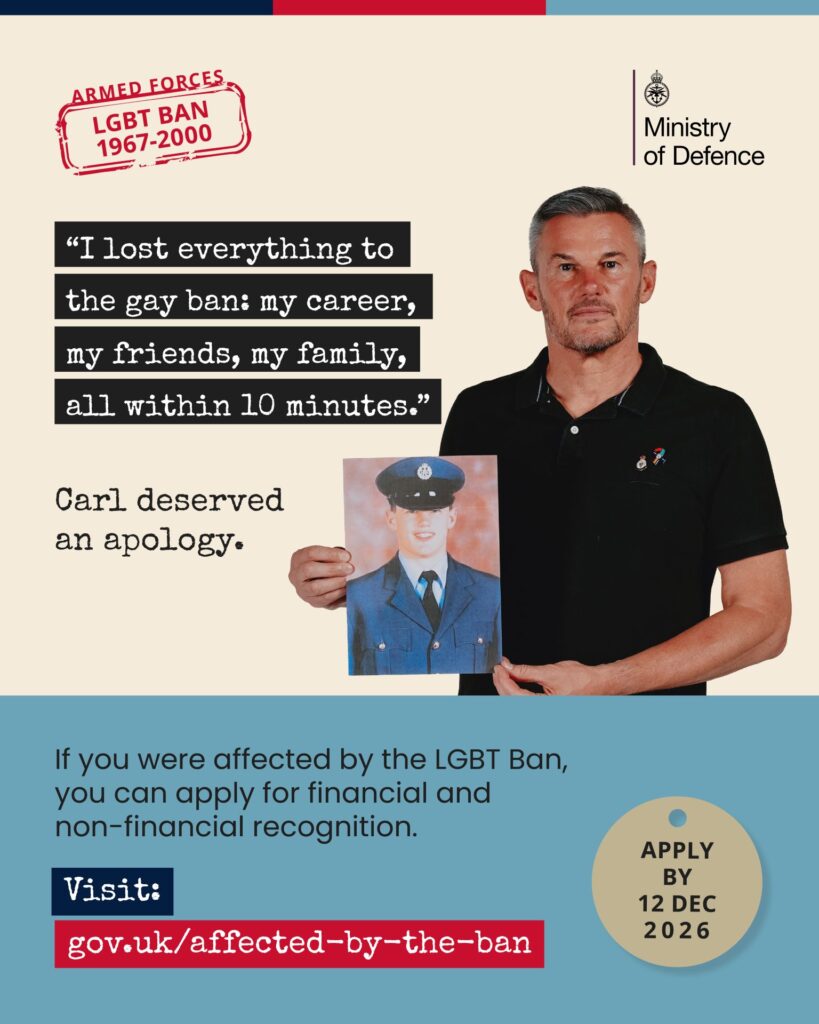
Help us reach veterans affected by the LGBT ban
Did you serve in the Armed Forces from 1967 to 2000 and were affected by the LGBT ban, or do you know someone who was?
The Government’s LGBT Financial Recognition Scheme provides financial and non-financial recognition for eligible veterans, but many people remain unaware of the support available.
Applications close in December 2026, and we’re helping raise awareness so that nobody misses the opportunity to apply.
If you know someone who may be eligible, encourage them to find out more about the scheme and the support available through organisations such as Fighting With Pride.
A simple conversation could help someone receive the recognition they deserve.
Become a member
Would you like to find out more about what we do?
Would you like to have a say in the future development of services we provide?
Why not become a member?
Find out more on our website: Become a member.
Read our previous Healthy Futures editions.